
Menu
Fall Roof Checklist: 10 Ways to Get Your GTA Roof Ready for Winter
Simple checks you can do now to prevent leaks, ice dams and costly repairs this winter.
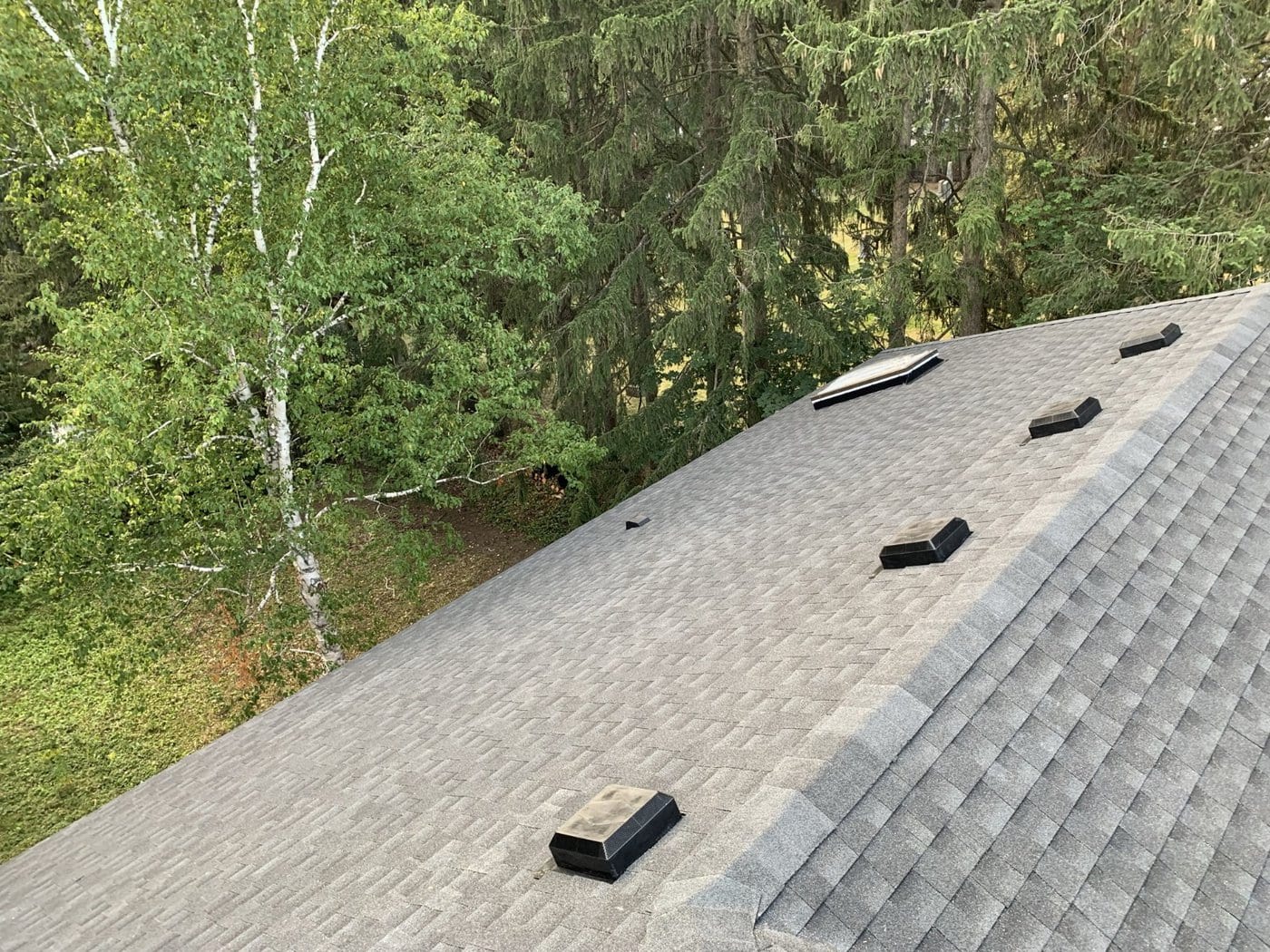
October and November are the last good months to fix roof problems before snow and ice arrive in the GTA. A roof that looks fine from the driveway can hide loose shingles, open flashing or blocked eavestroughs, and winter turns those small issues into leaks. Use this checklist to prepare your roof for winter, and call Roofing Pros for anything you can’t safely check from the ground.
Short version: clean the eavestroughs, check shingles and flashing, trim branches, look in the attic for moisture, and book a professional roof inspection before the first heavy snowfall.
Your 10-point fall roof checklist
1. Clean eavestroughs and downspouts
Leaves and shingle granules block gutters every fall. When water can’t drain, it backs up under the first row of shingles and freezes along the edge of the roof. Make sure downspouts carry water at least a few feet away from the foundation. If your eavestroughs sag, leak at the joints or pull away from the fascia, our eavestrough and gutter services can repair or replace them.
2. Look for missing, curled or cracked shingles
Use binoculars from the ground. Shingles that are lifted, curled at the edges or missing completely leave the roof deck exposed. A few damaged shingles are a simple roof repair now, but can lead to rot if they are left through the winter.
3. Check flashing around chimneys, skylights and vents
Most roof leaks start at flashing, not in the middle of the shingles. Look for bent or rusted metal, gaps, and old caulking that has cracked.
4. Watch for granules in the eavestroughs
A handful of granules is normal on a new roof. Large amounts on an older roof mean the shingles are wearing out, which is one of the clearest signs it may be time to compare roof repair vs. replacement.
5. Trim overhanging branches
Branches scrape shingles in the wind, drop leaves into gutters and can break under the weight of ice. Keep them well clear of the roof.
6. Inspect the attic
On a sunny day, look for daylight through the roof boards, water stains, damp insulation or frost on the nails. These are early signs of leaks or poor ventilation.
7. Make sure the attic is vented and insulated
Warm air escaping into the attic melts snow on the roof. The water refreezes at the cold eaves and forms ice dams. Clear soffit vents, good insulation and sealed air leaks around light fixtures and the attic hatch all help keep the roof deck cold.
8. Check soffit and fascia
Soft, stained or damaged fascia boards often mean water has been overflowing the gutters. Damaged soffits can also let in birds and animals looking for a warm place to spend the winter.
9. Look at flat roof areas
Garages, additions and commercial buildings often have flat roofs. Look for ponding water, blisters, cracks and open seams. Small problems can usually be fixed with flat roof repair before freezing weather sets in.
10. Book a professional roof inspection
A trained roofer sees things that are hard to spot from the ground. Our roof inspection and maintenance service covers shingles, flashing, vents, gutters and the attic, and you get a clear list of what needs attention.
Safety first: what not to do
Don’t climb onto a wet, icy or steep roof. Falls from ladders and roofs cause serious injuries every year. Check what you can from the ground or a ladder on firm, level ground, and leave the rest to a professional with proper fall protection.
Why fall is the best time to fix your roof
Shingles need mild temperatures to seal properly, and many repairs are harder once the cold sets in. Fixing problems in the fall also means you are not searching for a roofer during a storm in January. Regular roof maintenance is one of the easiest ways to make your roof last longer. For more on shingle problems, read our guide to shingle roof repair.
Frequently asked questions
When should I get my roof ready for winter in Ontario?
Ideally between late September and mid-November, after most leaves have fallen but before the first lasting snow.
Can a roof be repaired in winter?
Yes. Emergency leak repairs can be done in winter, and Roofing Pros offers 24/7 emergency service. Larger projects are easier and usually last better when done in milder weather.
How often should a roof be inspected?
Most roofers recommend an inspection once a year, plus a check after any major wind or hail storm.
Book your fall roof check
We help homeowners in Vaughan, Toronto, Mississauga, Thornhill, Markham and across the GTA get their roofs ready for winter. Call 905-252-PROS (7767) or book a roof inspection online for a free estimate.